
SIM Owner Database
In today’s digital world, mobile phones have become an essential part of everyday life. From communication and banking to social media and online shopping, almost everything is connected to a SIM card. This is where the concept of a SIM Owner Database becomes important. Many people search for information about SIM ownership, mobile number verification, and telecom databases to identify unknown callers or verify registered SIM cards.
In this blog, we will explain what a SIM owner database is, how it works, its benefits, legal concerns, and why people use it. This guide is written in simple language so everyone can understand it easily.
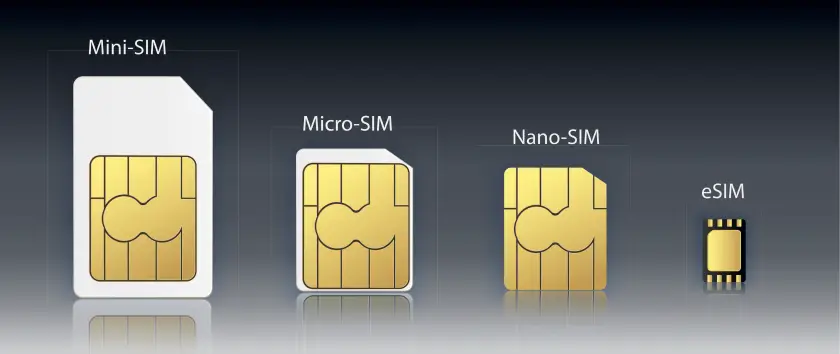
What is a SIM Owner Database?
A SIM Owner Database is a collection of records that contains information related to SIM card users. This data may include:
- SIM owner name
- Mobile number
- Network provider
- CNIC or ID details
- Address information
- SIM registration status
Telecommunication companies maintain these databases to comply with government regulations and ensure proper identity verification of users.
Many countries require users to register their SIM cards with valid identification documents. This helps authorities reduce illegal activities, fraud, and misuse of mobile networks.
Why Do People Search for SIM Owner Information?
There are several reasons why people want to access SIM owner information. Some common reasons include:
1. Identifying Unknown Callers
People often receive spam or suspicious calls from unknown numbers. A SIM owner database helps identify the caller’s name and network.
2. Verifying Registered SIMs
Many users want to know how many SIM cards are registered under their ID card or CNIC.
3. Security and Fraud Prevention
Businesses and individuals use mobile verification to prevent scams and fake identities.
4. Family and Personal Safety
Parents sometimes verify phone numbers used by their children for safety reasons.
How Does a SIM Owner Database Work?
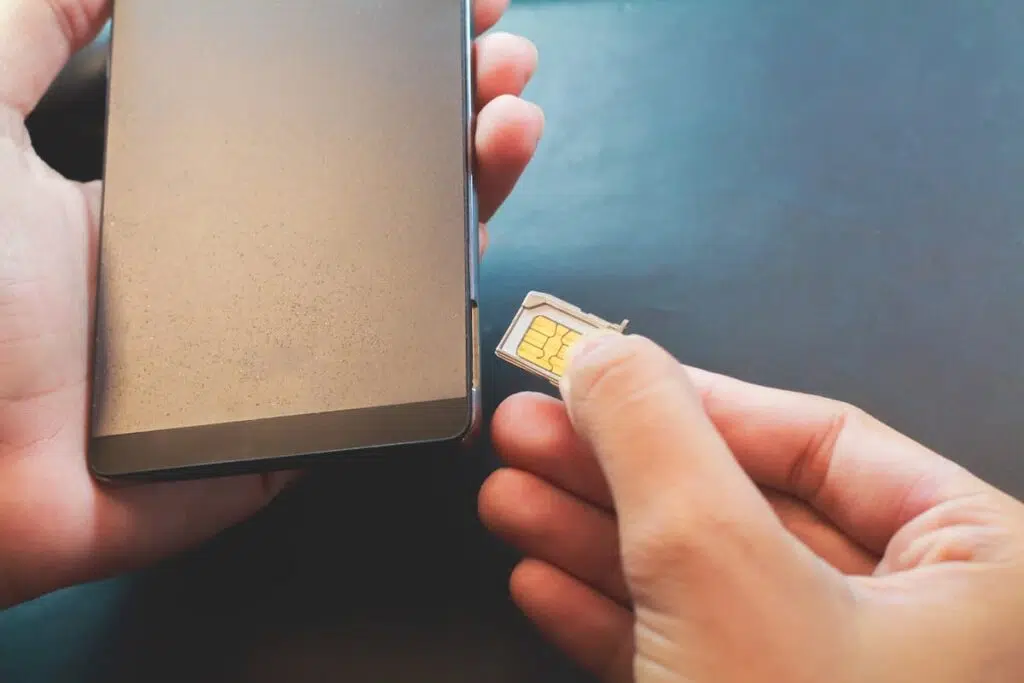
A SIM owner database works through telecom registration systems. When a user buys a new SIM card, the telecom company asks for identity verification such as:
- National ID card
- Fingerprint verification
- Passport details
- Address information
After successful verification, the information is stored in the telecom company’s database. Government telecom authorities may also have centralized access to these records for regulatory purposes.
When someone searches for a number using a legal verification system, the database retrieves related details linked to that mobile number.
Is Accessing a SIM Owner Database Legal?
This is a very important question. In many countries, accessing private SIM owner data without permission is illegal. Mobile user information is protected under privacy and cybersecurity laws.
Only authorized organizations such as:
- Telecom companies
- Government agencies
- Law enforcement departments
can legally access detailed user data.
Many websites claim to provide free SIM owner details online, but users should be careful. Some platforms may provide outdated, incorrect, or illegally obtained information. Sharing or misusing personal data can result in legal consequences.
Always use official telecom services to verify SIM registration information.
Benefits of SIM Registration Systems
SIM registration systems provide several advantages for both governments and users.
Improved Security
Registered SIM cards help authorities track criminal activities and reduce anonymous communication.
Reduced Fraud
Identity verification decreases scams, fake accounts, and illegal transactions.
Better User Management
Telecom companies can provide improved customer support and account recovery services.
National Security
Governments use telecom databases to monitor suspicious activities and maintain public safety.
Common Methods to Check SIM Information
Different countries offer official ways to verify SIM registration information. These methods may include:
SMS Verification
Users can send their ID card number to a telecom verification code.
Mobile Apps
Telecom companies often provide official apps to check registered SIMs.
Online Portals
Government telecom authorities may offer secure websites for SIM verification.
Customer Support
Users can contact their mobile network’s helpline for assistance.
Always use official and trusted sources when checking SIM information.
Risks of Unofficial SIM Owner Databases
Using unofficial databases can create serious risks, including:
- Privacy violations
- Identity theft
- Fake or outdated information
- Cybersecurity threats
- Malware and phishing scams
Some websites ask users to enter personal details or download suspicious software. This can compromise your privacy and device security.
To stay safe:
- Avoid unknown websites
- Never share sensitive information online
- Use official telecom services only
- Keep your personal data protected
The Future of SIM Databases
As technology evolves, telecom databases are becoming more secure and advanced. Many countries are now introducing:
- Biometric verification
- AI-based fraud detection
- Secure digital identity systems
- Real-time SIM monitoring
These technologies improve user security and help reduce cybercrime.
In the future, telecom systems may become even more integrated with national digital identity platforms to ensure safer communication networks.
Conclusion
A SIM owner database is an important part of modern telecommunications. It helps verify mobile users, improve security, and reduce fraud. While many people search for SIM owner details to identify unknown callers or verify SIM registrations, it is important to respect privacy laws and use only official verification methods.
Unofficial databases can be risky and may expose users to scams or legal issues. Always rely on trusted telecom services for accurate and secure information.
Understanding how SIM registration systems work can help users stay informed, secure, and responsible in the digital world.