
SIM Card Information
A SIM card is one of the most important parts of a mobile phone. Without it, users cannot make calls, send messages, or use mobile internet services. Whether you are using a smartphone for communication, online banking, or social media, your SIM card plays a major role in keeping you connected.
In this blog, we will explain SIM card information in simple and easy-to-understand language. You will learn what a SIM card is, how it works, different types of SIM cards, and why SIM registration is important. This SEO-optimized guide is helpful for students, mobile users, and anyone searching for complete SIM card information online.
What is a SIM Card?
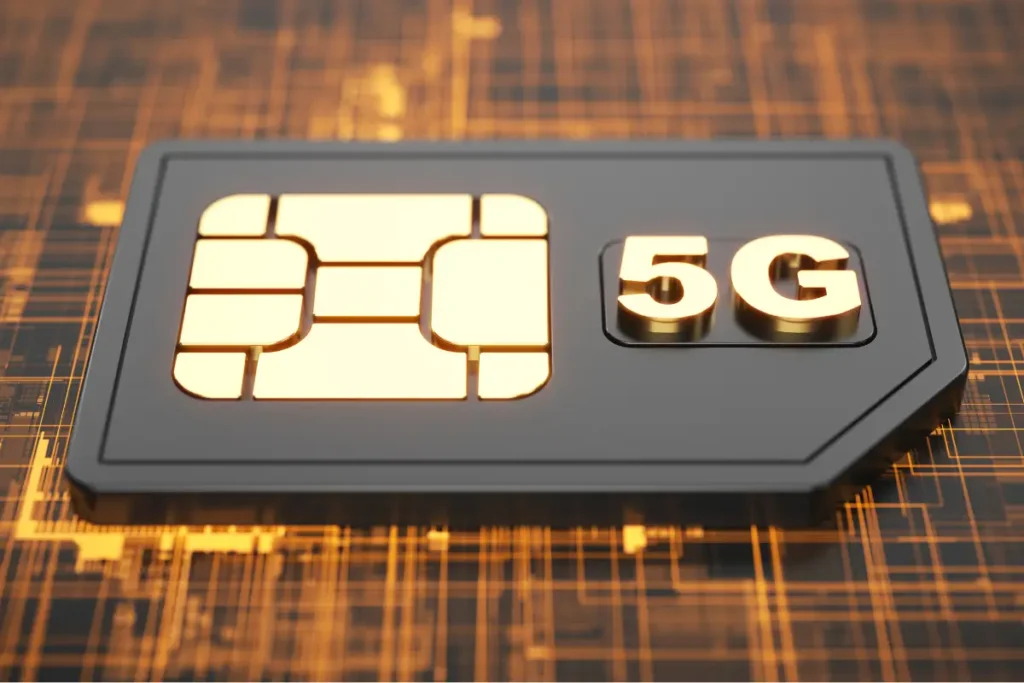
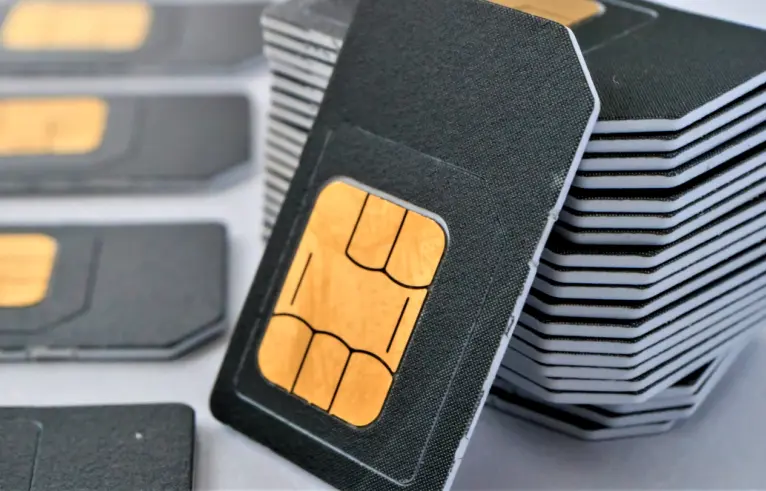
A SIM card stands for Subscriber Identity Module. It is a small chip inserted into a mobile phone that connects the device to a telecom network. The SIM card stores important user information and allows users to access mobile services.
A SIM card contains data such as:
- Mobile phone number
- Subscriber identity
- Network information
- Contact storage
- SMS records
- Security authentication details
Every SIM card has a unique identification number that helps telecom companies recognize the user on their network.
How Does a SIM Card Work?
A SIM card works by communicating with nearby mobile towers through your phone. When you make a call, send a message, or use mobile internet, the SIM card authenticates your identity with the network provider.
The process works like this:
- The SIM card sends a request to the telecom network.
- The network verifies the user identity.
- After successful verification, services become active.
This entire process happens within seconds, allowing users to stay connected anytime and anywhere.
Types of SIM Cards
Technology has improved significantly over the years, and SIM cards are now available in different sizes and formats.
1. Standard SIM
This is the oldest and largest SIM card type. It was commonly used in older mobile phones.
2. Micro SIM
Micro SIM cards are smaller than standard SIMs and were widely used in smartphones a few years ago.
3. Nano SIM
Nano SIM cards are the most common type today. They are smaller, thinner, and compatible with modern smartphones.
4. eSIM
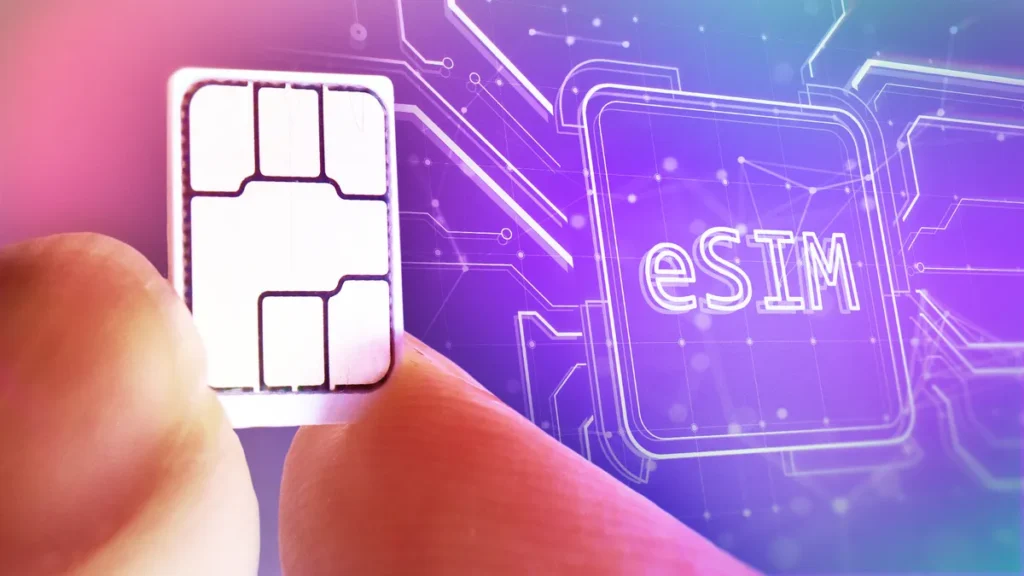
An eSIM is a digital SIM built directly into the phone. Users do not need a physical card because activation is done electronically.
Importance of SIM Card Registration
SIM card registration is an essential process in many countries. Telecom companies require users to register their SIM cards using official identification documents.
Common registration methods include:
- National ID card
- Passport verification
- Fingerprint scanning
- Biometric verification
The main purpose of SIM registration is to improve security and prevent illegal activities.
Benefits of SIM Card Registration
Improved Security
Registered SIM cards help authorities identify users involved in fraud or criminal activities.
Reduced Fake Accounts
SIM verification prevents the use of fake identities and unauthorized mobile connections.
Better Customer Support
Telecom companies can provide account recovery and customer assistance more effectively.
Safer Digital Transactions
Many banking and online services rely on mobile number verification for secure transactions.
How to Check SIM Card Information
Many users want to check SIM ownership details or the number of SIM cards registered under their ID. Telecom companies usually provide official methods for this purpose.
SMS Services
Users can send a message to a telecom verification code to receive SIM information.
Mobile Apps
Most network providers offer apps for checking SIM details, balance, and packages.
Online Portals
Government telecom authorities may provide official websites for SIM verification.
Customer Service Centers
Users can also visit telecom franchises or customer support centers for assistance.
Always use official and trusted methods to access SIM information.
Common Problems Related to SIM Cards
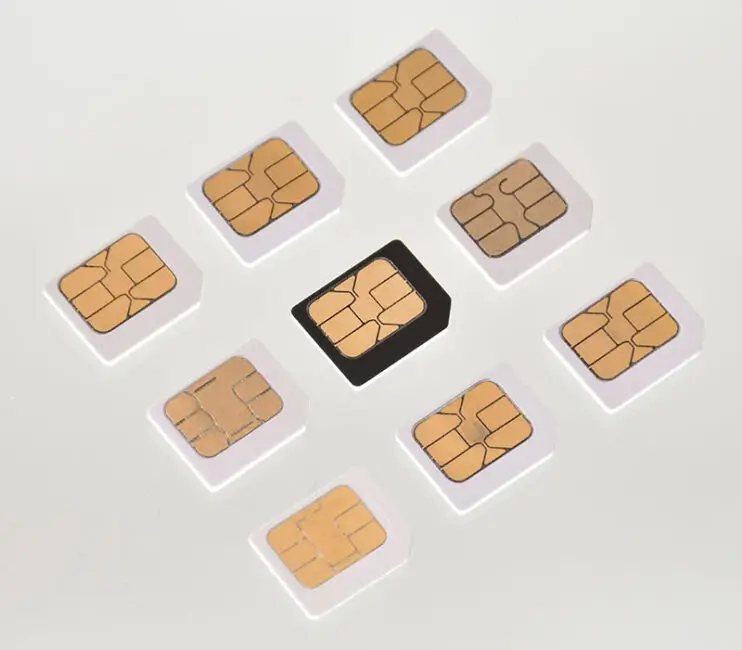
SIM cards can sometimes create issues that affect mobile services. Here are some common problems:
No Network Signal
This can happen due to poor coverage, damaged SIM cards, or network outages.
Invalid SIM Error
A phone may display an invalid SIM message if the card is damaged or not activated.
SIM Not Detected
Dust, hardware issues, or incorrect insertion can prevent the phone from reading the SIM card.
Slow Mobile Internet
Network congestion or outdated SIM technology may reduce internet speed.
Restarting the phone, cleaning the SIM tray, or contacting customer support can often solve these issues.
SIM Card Safety Tips
Protecting your SIM card is important because it is linked to personal and financial information.
Here are some useful safety tips:
- Never share OTP codes with anyone
- Enable SIM lock or PIN protection
- Report lost SIM cards immediately
- Avoid using unknown verification websites
- Keep your personal data secure
Cybercriminals sometimes use SIM-related scams to steal sensitive information, so users should stay alert.
The Future of SIM Technology
The future of SIM cards is moving toward digital solutions like eSIM technology. Many modern smartphones and smart devices now support eSIM activation.
Future developments may include:
- Faster mobile connectivity
- Improved cybersecurity
- Better global roaming services
- Easier device management
As mobile technology continues to evolve, SIM cards will become more secure and convenient for users worldwide.
Conclusion
SIM cards are an essential part of modern communication. They allow users to make calls, access the internet, and connect securely with telecom networks. Understanding SIM card information helps users stay informed about mobile security, registration, and network services.
Whether you are using a traditional SIM card or the latest eSIM technology, always protect your personal information and use official telecom services for verification and support. A secure and properly registered SIM card ensures safe and reliable communication in today’s digital world.