
SIM Information
In today’s digital world, mobile phones have become a basic necessity. Whether you want to make calls, use social media, browse the internet, or send messages, a SIM card plays an important role in connecting your phone to a mobile network. Many people use SIM cards every day but do not fully understand what they are and how they work. In this blog, we will explain SIM information in a simple and easy-to-understand way.
What Is a SIM Card?
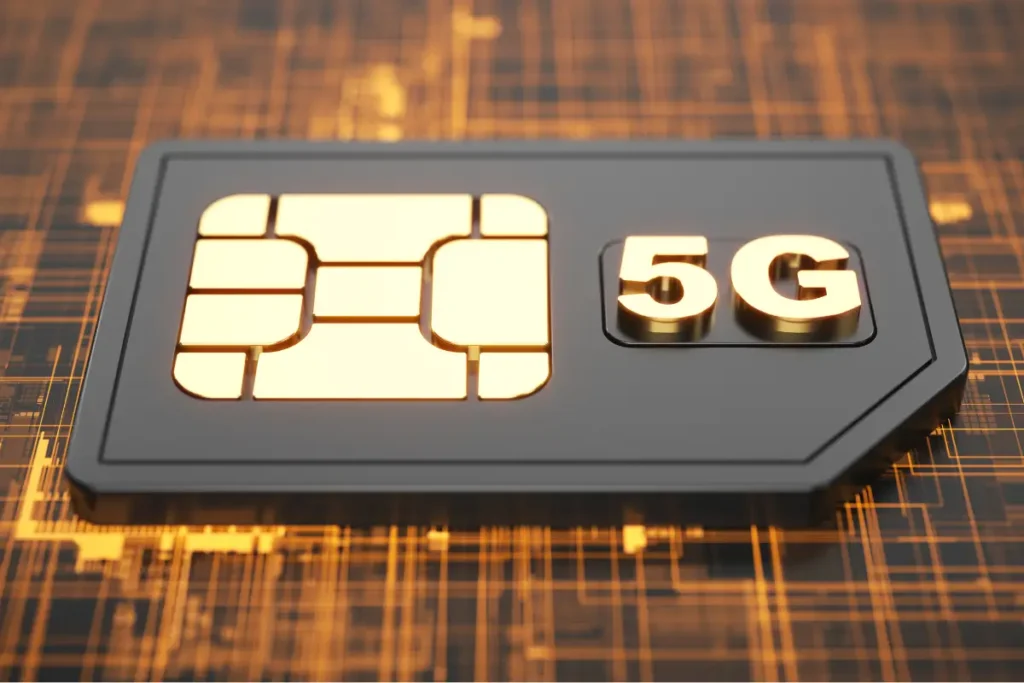
A SIM card stands for Subscriber Identity Module. It is a small chip inserted into a mobile phone that connects your device to a mobile network. Without a SIM card, most phones cannot make calls, send SMS messages, or use mobile data.
The SIM card stores important information such as:
- Your mobile number
- Network identity
- Contact information
- SMS data
- Security details
Every SIM card has a unique identification number that helps mobile operators recognize users on their networks.
Types of SIM Cards
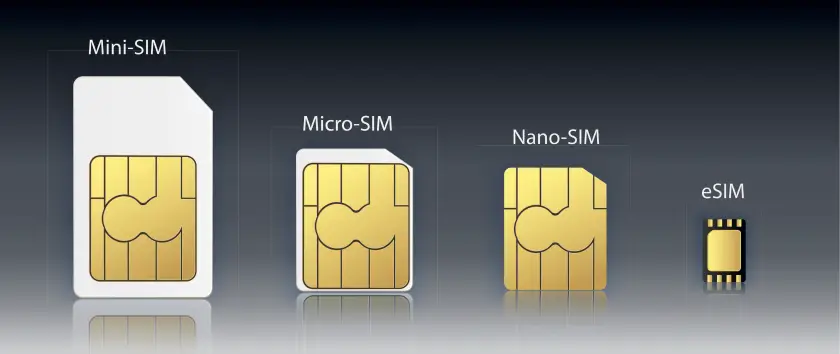
Over time, SIM cards have changed in size and technology. Here are the main types of SIM cards:
1. Standard SIM
This is the oldest and largest SIM card. It was commonly used in older mobile phones.
2. Micro SIM
Micro SIM cards are smaller than standard SIM cards and were used in many smartphones a few years ago.
3. Nano SIM
Nano SIM is currently the most widely used SIM card in modern smartphones because of its compact size.
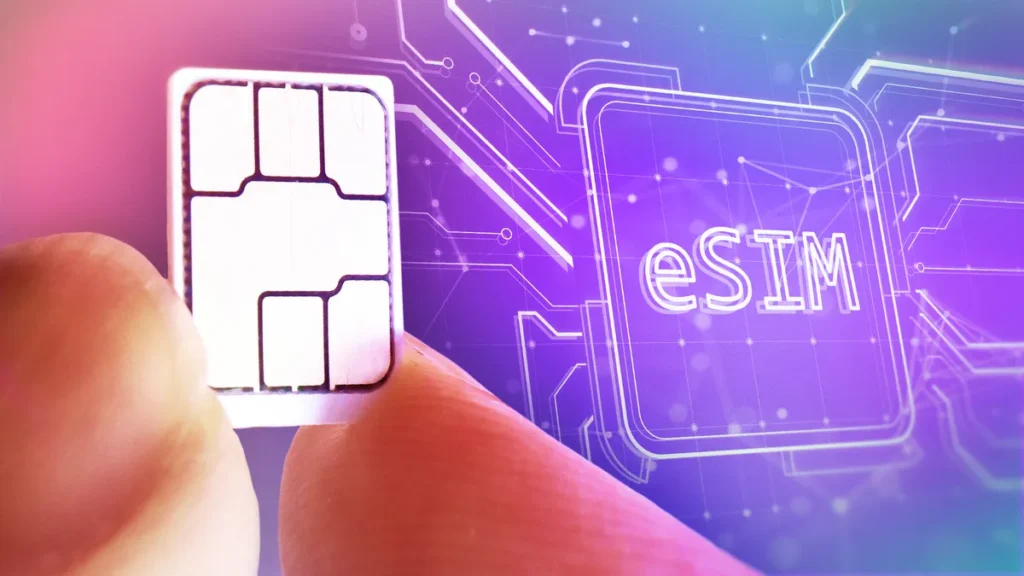
4. eSIM
An eSIM is a digital SIM built directly into the device. Users do not need a physical card because the network can be activated online.
How Does a SIM Card Work?
A SIM card connects your phone to your mobile network provider. When you insert a SIM card into your phone and turn it on, the phone communicates with the network tower nearby. The network then verifies your SIM information and allows access to calls, texts, and internet services.
The SIM card also stores authentication data that keeps your connection secure. This helps prevent unauthorized access to your mobile account.
Importance of SIM Information
SIM information is very important because it identifies the user and network connection. Mobile companies use SIM details to provide services and maintain security.
Some important SIM information includes:
- SIM owner name
- Mobile number
- ICCID number
- IMSI number
- Network provider
- Activation status
People often check SIM information for security purposes or to confirm ownership of a mobile number.
Benefits of Using a SIM Card
SIM cards provide many benefits for mobile users. Some major advantages include:
Easy Communication
SIM cards allow users to make calls and send messages from anywhere within network coverage.
Internet Access
With mobile data enabled on a SIM card, users can browse the internet, watch videos, and use social media apps.
Portability
You can easily move your SIM card from one phone to another without losing your number or network access.
Security
SIM cards include security features that protect user identity and network access.
International Roaming
Many SIM cards support roaming services, allowing users to use their phones in other countries.
How to Check SIM Information
There are different ways to check SIM information depending on your country and network provider.
Using Phone Settings
Most smartphones allow users to view SIM details in the settings menu.
Go to:
Settings > About Phone > SIM Status
Using USSD Codes
Mobile companies often provide special codes to check SIM ownership and balance information.
Using Official Mobile Apps
Many telecom companies offer apps where users can check their SIM details, packages, and usage history.
SIM Card Safety Tips
Keeping your SIM card secure is very important. Here are some useful safety tips:
Use a SIM PIN
A SIM PIN adds extra security and prevents unauthorized access.
Avoid Sharing OTP Codes
Never share one-time passwords or verification codes with strangers.
Register Your SIM Properly
Always register your SIM card using your original identification documents.
Report Lost SIM Cards Quickly
If your SIM card is lost or stolen, contact your mobile network provider immediately to block it.
Common SIM Card Problems
Sometimes users face issues with SIM cards. Here are a few common problems and solutions:
No Network Signal
This may happen due to poor coverage or SIM damage. Restarting the phone or reinserting the SIM can help.
Invalid SIM Error
This usually occurs when the SIM card is not activated properly or is damaged.
Slow Internet
Slow internet speed can result from network congestion or expired data packages.
SIM Not Detected
Cleaning the SIM card carefully and reinserting it may solve the issue.
Future of SIM Technology
Technology is improving rapidly, and SIM cards are becoming smarter. eSIM technology is growing because it offers more convenience and flexibility. In the future, physical SIM cards may become less common as digital SIM systems continue to expand.
Conclusion
SIM cards are a small but essential part of modern mobile communication. They help users connect to mobile networks, make calls, use the internet, and stay connected with the world. Understanding SIM information can help users manage their mobile services more safely and effectively.
Whether you are using a traditional SIM card or the latest eSIM technology, knowing how SIM cards work can improve your mobile experience. Always keep your SIM secure and use official methods to check SIM information for better safety and reliability.