
SIM Data
In today’s hyper-connected world, staying online is no longer a luxury; it is a necessity. Whether you are scrolling through social media, navigating with GPS, or streaming your favorite podcast on the go, you are likely relying on SIM data. But what exactly is SIM data, and how does it connect you to the digital universe? If you have ever found yourself confused by data caps, roaming charges, or the shift from physical cards to digital profiles, you are in the right place. In this comprehensive guide, we will break down everything you need to know about your mobile connectivity in an easy-to-understand way.
What is SIM Data?
The term generally refers to two different concepts, depending on the context. Let us clarify both:
- Mobile Internet Connection: For most consumers, this refers to the cellular internet allowance provided by a mobile network operator. When you purchase a “data plan,” you are buying a specific amount of bandwidth (measured in gigabytes or GB) that your smartphone uses to access the internet without a Wi-Fi connection.
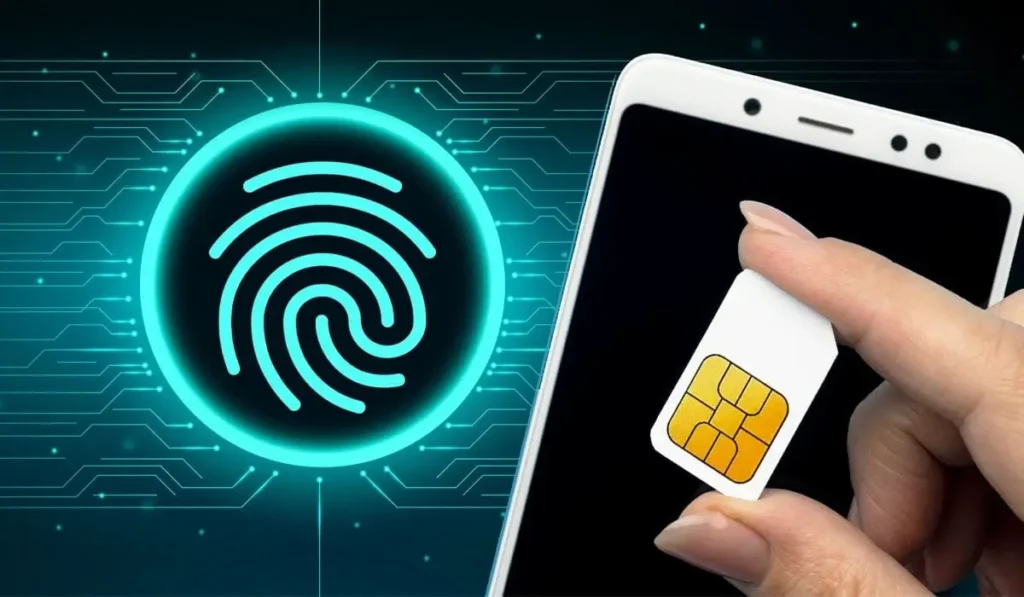
- On-Card Storage: Traditionally, a Subscriber Identity Module (SIM) card is a microchip that stores specific information. This includes your network authorization key, your phone number, and a small amount of storage for contacts.
For the rest of this guide, we will focus on the first definition: the mobile internet data that powers your daily digital life.
How Does SIM Data Work?
Your mobile phone acts as a highly sophisticated two-way radio. When you turn off Wi-Fi and open a web browser, your device uses its internal antenna to send a signal to the nearest cell tower. Your SIM card acts as your secure digital ID card during this process. It tells the cellular network who you are, what carrier you use, and whether you have an active data plan.
Once the network verifies your identity, it grants you access to the web. The data travels from the cell tower to your phone using radio frequencies, such as 4G LTE or 5G. Every time you load a webpage, send an email, or stream a video, a tiny amount of your allocated bandwidth is consumed.
Understanding Data Plans: Prepaid vs. Postpaid
When purchasing connectivity, you typically choose between two main billing structures:
- Prepaid Plans: You pay upfront for a set amount of bandwidth. Once you use it all, your internet access pauses until you recharge or buy a top-up. This is a fantastic option for budgeting, as you will never receive an unexpected bill.
- Postpaid Plans: You sign a contract and pay a monthly bill based on your usage. Many postpaid plans offer “unlimited” usage, though they may slow down your connection speeds if you exceed a certain threshold during the billing cycle.
Proven Tips to Manage and Save Your SIM Data
Running out of bandwidth before the end of the month can be incredibly frustrating. Here are actionable tips to help you stretch your allowance further:
- Utilize Wi-Fi Whenever Possible: Make it a daily habit to connect to secure, trusted Wi-Fi networks at home, work, or local cafes.
- Restrict Background Data: Many applications secretly refresh content even when you are not actively using them. Go into your smartphone’s settings and disable background app refresh for non-essential applications.
- Download for Offline Use: Before leaving a Wi-Fi zone, download your music playlists, podcast episodes, and digital maps for offline use.
- Monitor Your Usage: Both iOS and Android operating systems have built-in trackers. Set a monthly limit or a warning alert to notify you when you are getting close to your cap.
The Future: The Rise of the eSIM
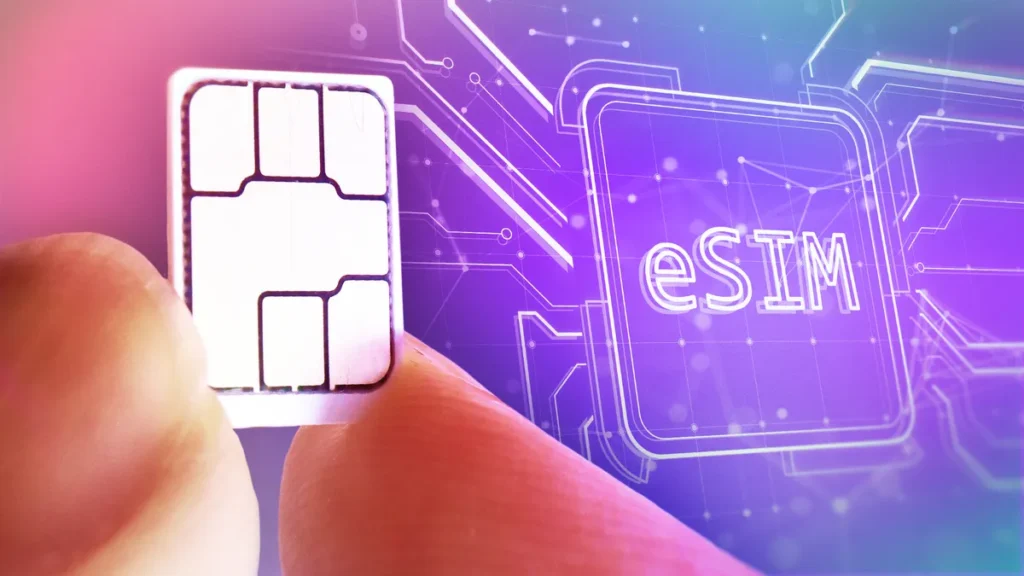
The physical plastic card is slowly becoming a thing of the past. Enter the eSIM (embedded SIM). An eSIM is a tiny chip soldered directly into your phone’s motherboard. Instead of swapping physical cards, you can simply download your carrier’s digital profile over the air. This makes switching networks or buying temporary travel plans incredibly easy.
Conclusion
Understanding your SIM data is the key to maximizing your mobile experience while minimizing your monthly bills. By knowing how your cellular connection works, choosing the right plan for your lifestyle, and actively managing your consumption, you can stay seamlessly connected wherever life takes you. Your connection remains the vital bridge between your smartphone and the world.